The Thrill of Uncertainty
The allure of gambling lies in its inherent uncertainty. Every spin of the slot machine or shuffle of the cards provides a unique experience, fostering a sense of excitement that engages players’ emotions. This thrill of uncertainty taps into a basic human instinct—the excitement of risk-taking, especially at a ripper casino where the stakes are higher and the rewards more enticing. Psychologically, the anticipation of a potential win stimulates the brain’s reward system, releasing dopamine, which enhances feelings of pleasure and satisfaction. This biochemical reaction reinforces the gambling behavior, encouraging players to return for more, as they seek to replicate that high.
Furthermore, this uncertainty can create a compelling narrative for gamblers. Each wager not only represents a potential financial outcome but also the thrill of a story unfolding. The mental and emotional investment in these narratives adds layers to the gambling experience. Players often visualize their victories, imagining the life-changing outcomes that could follow. This ability to fantasize about success deepens their connection to gambling and can lead to repeated engagement, even in the face of losses.
Cognitive biases also play a significant role in shaping the behavior of gamblers. The illusion of control is a prime example; players often believe they can influence the outcome of games based on their strategies or skills. This misconception can lead to risky behaviors and persistent gambling, as individuals tend to overestimate their chances of winning. Through understanding these psychological elements, we can begin to appreciate the complexity behind gambling behavior and the reasons individuals may feel compelled to take risks in casino environments.
The Role of Environment in Gambling Behavior
The environment of a casino is meticulously designed to enhance the gambling experience. From the sound of coins clinking in slot machines to the vibrant lights flashing throughout the facility, each element works synergistically to create an immersive atmosphere. This design not only captures attention but also stimulates emotions. Casinos are often devoid of clocks and windows, creating a sense of timelessness that encourages players to stay longer, often leading to increased spending.
Moreover, the social aspect of gambling cannot be overlooked. Casinos provide a communal environment where individuals can connect with others, share experiences, and engage in collective excitement. This social interaction can amplify the enjoyment derived from gambling, as shared victories and losses enhance the emotional highs of the experience. Studies suggest that the presence of others can increase risk-taking behavior, with players feeling emboldened by the cheers and reactions of fellow gamblers.
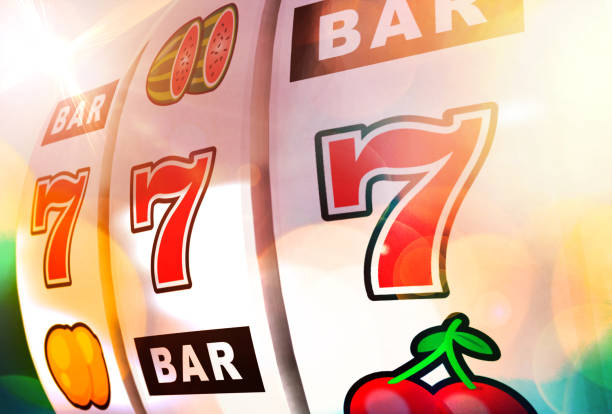
Additionally, the strategic placement of games and the sensory overload from sights and sounds promote continuous gambling. The design intentionally minimizes distractions and creates a focus on the games themselves, encouraging players to immerse themselves fully. The more engaging the environment, the more likely players are to lose track of time and money, illustrating how the physical space of a casino is crafted to optimize gambling behavior.
Addiction and the Psychology of Gambling
Gambling addiction is a complex phenomenon that intertwines psychological, social, and biological factors. Many individuals start gambling as a form of entertainment, but for some, it can escalate into a compulsive behavior that disrupts their lives. The psychological mechanisms at play often include factors such as impulsivity, anxiety, and the thrill of risk-taking, which can lead to a cycle of chasing losses and heightened gambling frequency as individuals seek to regain control.
The concept of loss aversion is particularly relevant in the context of gambling addiction. Research shows that individuals experience the pain of losses more intensely than the pleasure of equivalent wins. This can create a detrimental cycle where gamblers feel compelled to continue playing to avoid the psychological discomfort associated with losses. Instead of walking away, they may gamble more, hoping for that big win that will offset their previous losses, but often find themselves spiraling deeper into addiction.
Treatment for gambling addiction requires a multifaceted approach that includes psychological therapies and support systems. Cognitive-behavioral therapy (CBT) is one effective method that helps individuals recognize and change detrimental thought patterns surrounding gambling. Additionally, support groups offer communal understanding and shared experiences, helping individuals on their journey toward recovery. Understanding the psychological underpinnings of gambling addiction is crucial for developing effective interventions and support systems for those affected.
The Influence of Emotions on Decision Making in Gambling
Emotions play a critical role in gambling decision-making processes. Research has demonstrated that emotional states can significantly influence individuals’ choices, often leading them to take risks they might otherwise avoid. For instance, positive emotions such as excitement or joy can encourage players to gamble more, as they seek to prolong their pleasurable state. Conversely, negative emotions, such as stress or sadness, can lead to impulsive betting behavior as individuals attempt to escape their feelings.

The phenomenon of „tilt“ is commonly associated with gambling, referring to a state where emotional distress leads to poor decision-making. When players experience tilt, their ability to rationally assess their bets diminishes, often resulting in increased losses. This emotional volatility can escalate the gambling experience, leading to further frustration and a deepening of the gambling cycle. Understanding the impact of emotions on decision-making can empower gamblers to recognize their emotional triggers and make more informed choices.
Mindfulness and emotional regulation strategies have emerged as effective tools in mitigating the negative influence of emotions on gambling behaviors. By cultivating awareness of their emotional states, players can better manage their reactions and decisions while gambling. Implementing techniques such as deep breathing or stress reduction can help individuals approach gambling more rationally, reducing the likelihood of falling prey to emotional pitfalls that can lead to excessive gambling.
Exploring Responsible Gambling Resources
In light of the intricate psychological factors influencing gambling behavior, understanding responsible gambling practices is essential. Many casinos and gambling establishments have begun to implement programs aimed at promoting safe gambling habits. These initiatives often focus on educating players about the risks associated with gambling and providing tools to help them maintain control over their gambling activities.
Resources for responsible gambling typically include self-exclusion programs, where individuals can voluntarily limit their access to gambling facilities or online platforms. Additionally, many organizations offer informational resources on the signs of problem gambling, helping individuals identify whether their gambling habits have crossed the line into addiction. These resources are crucial in fostering awareness and encouraging healthy gambling practices.
As gambling continues to evolve with technology, so too do the resources available for promoting responsible gambling. Online platforms now provide features that allow players to set personal limits on spending and time spent gambling. Awareness campaigns emphasize the importance of self-control and making informed decisions while gambling, ultimately aiming to reduce the incidence of gambling-related harm and promote a healthier gambling culture within society.

